
The weeks around Christmas and the summer break are often the longest stretch of time families spend together all year. Away from work and the usual routines, there's room for the conversations that tend to get put off, including what happens when someone needs more support as they get older.
These conversations don't need to spoil the holidays. Handled gently, and followed up with the right advice, they can take a great deal of worry off everyone's shoulders.
When you notice changes in mum or dad
If you haven't seen an older parent in person for a while, a holiday visit can bring small changes into view. The house or garden might be harder for them to keep on top of, or they may seem a little more forgetful than you remember.
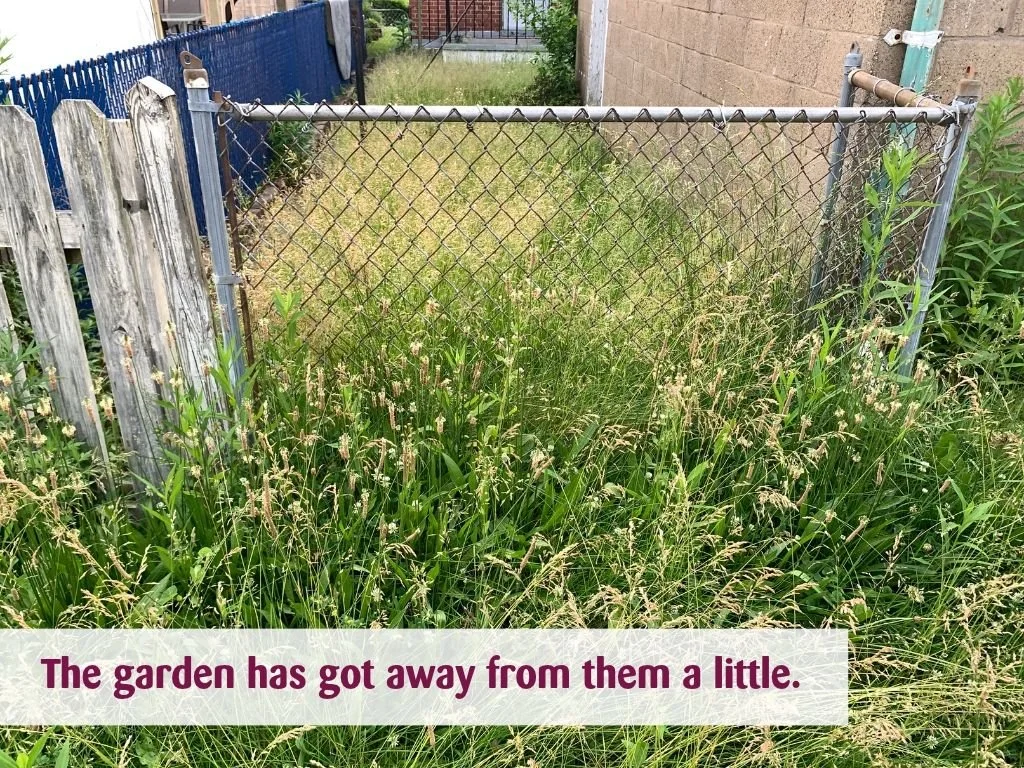

Seeing this can be confronting, and feeling unsettled is completely natural. Try not to jump to conclusions or push for decisions on the spot. A change you notice is a reason to start thinking ahead, rather than a sign that something has to happen tomorrow.
What helps most is knowing that support is there when you need it. The first step is a simple one: talk to an accredited aged care advice professional.
Talking about your own plans
Aged care planning isn't only something adult children raise with their parents. If you're thinking about your own future, the holidays can be a good time to tell your family what matters to you and what kind of care you'd want if the time comes.
Ageing is a normal part of life. The stress usually comes from facing it without a plan. Bringing your family into your thinking early means they understand your wishes, and decisions later on are less likely to be made in a hurry.
Once those conversations have started, the next step is qualified, experienced advice on your care options and the costs involved. Booking a meeting for the new year means you can enjoy the break knowing the next step is sorted.
Keeping family meetings on track
Conversations about care and money can bring strong feelings to the surface, even in close families. At Aged Care Steps we refer to the three G's of aged care: grief, guilt and greed®. Each is a normal human response, and any of them can make it harder to agree on what comes next.
This is where an experienced aged care adviser can make a real difference. Joining your family meeting as an independent voice, an adviser can offer objective recommendations and help take some of the emotion out of decision-making.
When everyone hears the same information from an impartial expert, it becomes easier to focus on the decisions themselves.
Finding advice you can trust
If you or your clients need aged care advice, an accredited aged care advice professional is the place to start. You can search for one through the Aged Care Steps Find an Adviser directory.
The advisers recognised in the Aged Care Steps Aged Care Adviser of the Year Awards are another good starting point. You can read about our finalists and winners on our website.
If you'd rather speak with us directly, Aged Care Personal Advice can help you plan the next steps for yourself or someone you love. A conversation over the holidays, followed by the right advice in the new year, can give your whole family a clearer path forward.